Dining, conversation and card lounge atmosphere

Best 10 Card Lounge Moments

This Best 10 guide follows the quieter pleasures of a refined dining evening that continues around a poker table. Every card-lounge experience is held offline, in person at the venue: no online poker, no remote participation, just food, hospitality and a relaxed shared rhythm.

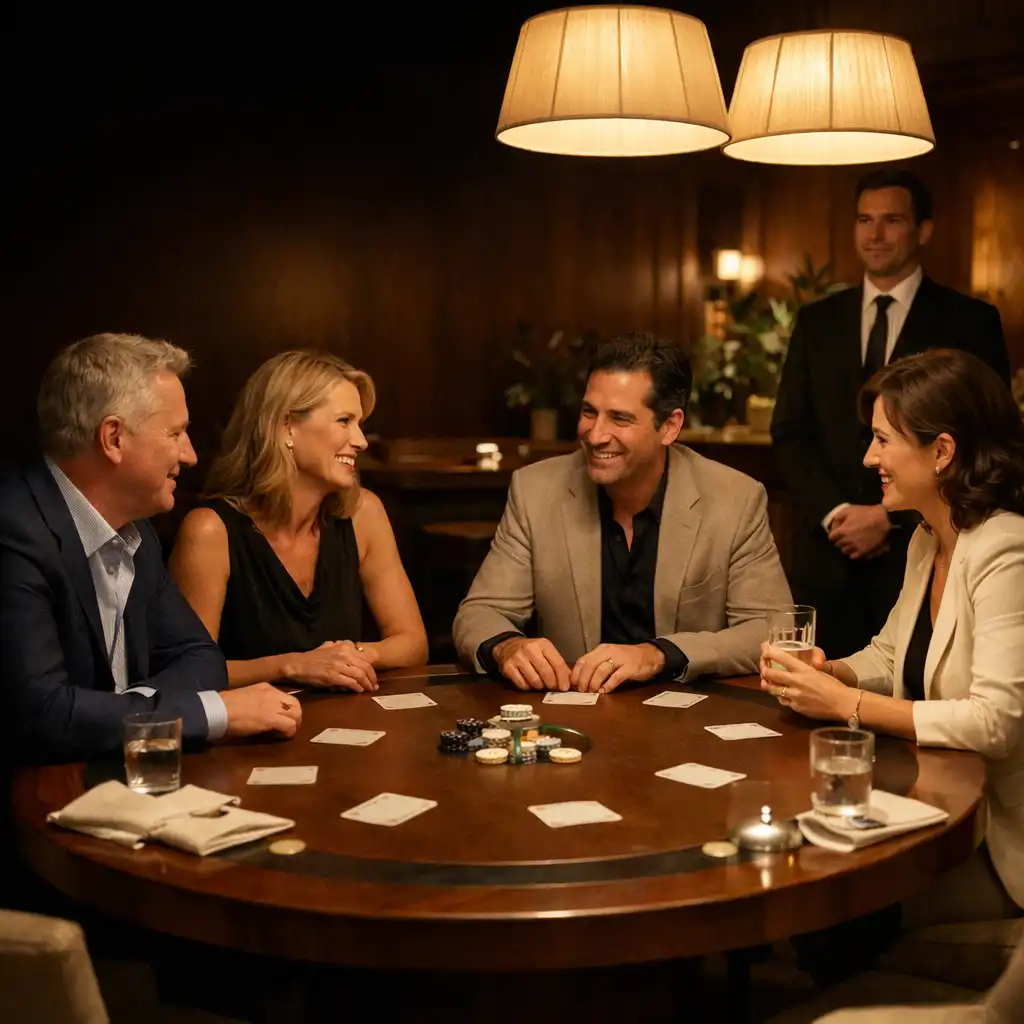
Friends gathered around a timber poker table in a warm restaurant card lounge after dinner.
An in-venue card lounge after dinner, shaped by shared tables, warm light and unhurried conversation.

The best evenings begin by arriving, dining and settling in together before the table becomes part of the conversation.

Best 10 Compare editorial view
The rhythm behind the list

What makes a lounge moment memorable

Best 10 Compare is first a restaurant guide, so we look at card lounge experiences through the pace of a whole visit. The strongest occasions do not treat the table as a separate event. They let a good meal, thoughtful service and easy conversation carry naturally from the dining room into a venue-based lounge setting.

A poker table can give a group a focal point, but it need not hurry the night or dominate it. In person at the venue, the room, the welcome and the comfort of everyone gathered matter as much as the cards. That is the hospitality-led lens behind every moment below.


Read these as moments to look for, not a promise that every venue follows one format. Use the guide to frame an in-person reservation request around the kind of evening your group hopes to share.

The editorial ranking

The Best 10 moments

From the first welcome to a clear reservation brief, these are the details that keep an in-person card-lounge evening grounded in dining, comfort and good company.

  1. The unhurried arrival

    The transition begins before anyone sits down. An unhurried arrival gives a group time to find its bearings, finish a conversation from the journey and understand how the evening may unfold. For an in-person card lounge at the venue, clear orientation matters: where dinner begins, when the lounge may become part of the night, and how to settle in without fuss.

  2. A seasonal plate worth passing around

    A seasonal dish can become the first shared point of attention at the table. It offers something to discuss, pass around and remember before cards are introduced. Best 10 Compare’s dining lens values food that suits the pace of company: considered, generous in spirit and part of an evening rather than a fixed package or a rushed prelude.

  3. The table settles the room

    The first seat at a well-set poker table changes the scale of the evening. Comfortable chairs, enough tabletop space and warm light make it easier for people to speak, listen and remain present. These poker tables are experienced offline at the venue, so their appeal is physical and social: hands on timber, familiar faces nearby and a room designed for a composed pause.

  4. A welcome that includes everyone

    A practical introduction can make a mixed group feel immediately at ease. The most useful approach is plain language: a general sense of the room, a moment for questions and enough guidance for newcomers without turning the evening formal. A host’s role is hospitality-led, helping each guest feel that there is a place for them at the table and in the conversation.

  5. Dinner conversation carries on

    The most natural shift is the one that does not ask the group to start the night again. A story from dinner, a favourite course or a plan for the weekend can continue as everyone settles in around the table. That continuity is why a card lounge works best as part of an evening out: it gives familiar conversation another setting rather than replacing it.

  6. The pleasure of a well-kept table

    Cards, water glasses, folded linen and a little breathing room around the table create their own kind of ritual. These details do not need to be theatrical to feel special. They simply signal care for the shared space and give the evening a composed texture. The focus remains social and in person, with tactile table details helping everyone stay comfortable and attentive.

  7. A pause that returns to the table

    A pause for dessert, coffee or another course can bring the evening gently back to its restaurant heart. It is not something to assume will happen in every setting, but it is worth discussing when a group is planning. Keeping dining in view means there is room to reset, catch up and let the occasion breathe rather than treating the table as a timetable.

  8. A group finds its own pace

    For a birthday, a work dinner or a small celebration, the best pace belongs to the people around the table. One group may want a long meal before moving on; another may prefer a shorter, easy gathering. Private groups can share what matters in their reservation request, allowing the team to consider preferred timing, approximate numbers and card-lounge interest as part of the visit.

  9. The afterglow of an evening out

    The final stretch of a good night rarely needs a packed itinerary. Low light, a final conversation and the small pleasure of lingering with friends can be enough. In a considered venue setting, atmosphere allows the group to wind down without pressure. The memory is often the feeling of having had time together, followed by a calm and unforced departure.

  10. A clear reservation brief

    The final moment begins before the visit: a reservation request that explains what your group has in mind. Share a preferred date, approximate group size, dining plans and whether you would like to discuss an offline card-lounge table at the venue. That small amount of context helps frame a useful response without suggesting that a particular table or timing is already confirmed.

At the venue, together

Every poker-table experience takes place offline at the venue.

There is no online poker or remote participation. The card lounge belongs to an in-person visit shaped by dining, hospitality and conversation around a shared table.

Discuss your visit
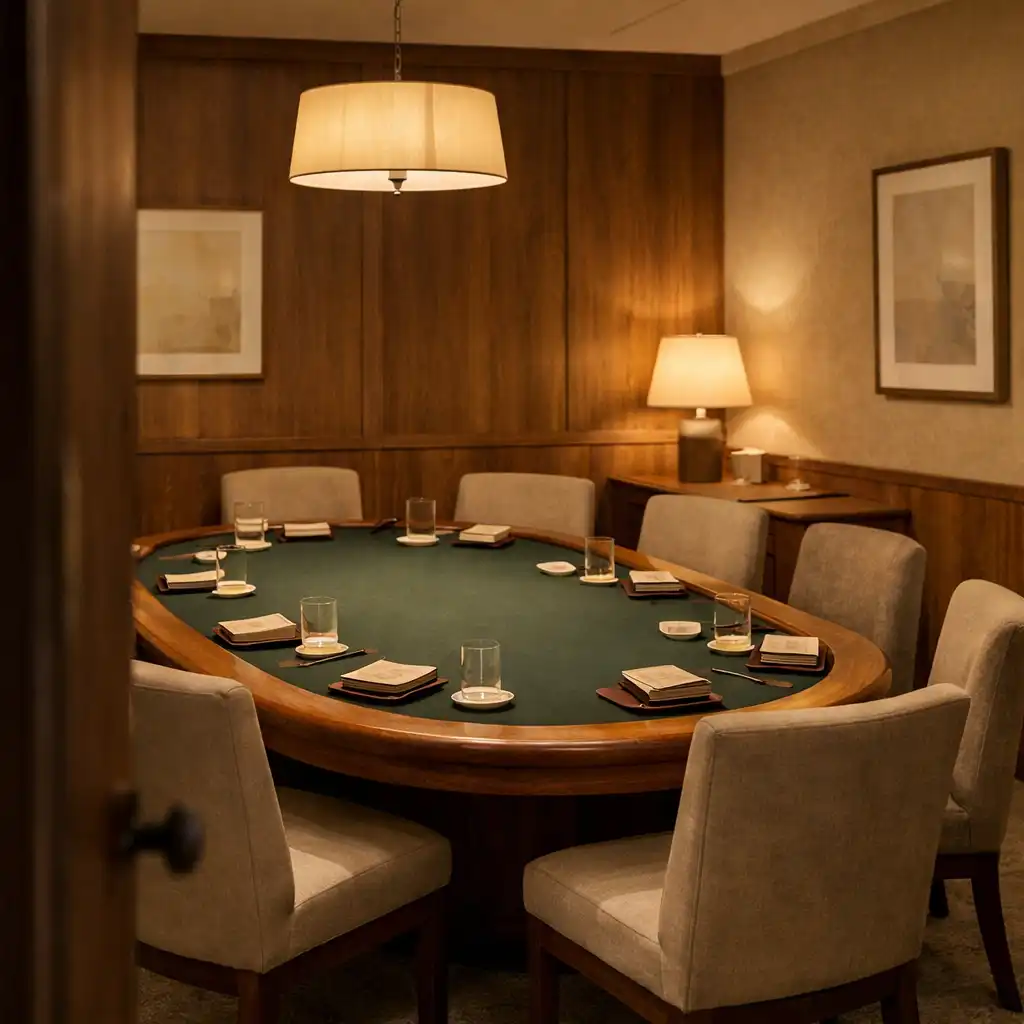
An intimate private card room with a polished table, upholstered chairs and warm lamps.
A composed room setting for an in-person group occasion, without implying a fixed venue configuration.
Private group dining

When the group is the occasion

A private group evening can feel most generous when the meal and lounge period are considered as one occasion. A birthday, work dinner or small celebration may begin with food and conversation, then continue at a card table when the group is ready. Because the experience happens at the venue, the physical setting and the pace you choose are central.

There is no need to arrive with a fixed script. A useful request simply gives the reservation team enough context to consider what you hope for, while leaving room for the venue’s own response and practical arrangements.

  1. Share your preferred date and a general time that suits the meal.
  2. Include an approximate group size so the occasion can be considered in context.
  3. Note that you would like to discuss an in-person card-lounge table as part of the visit.
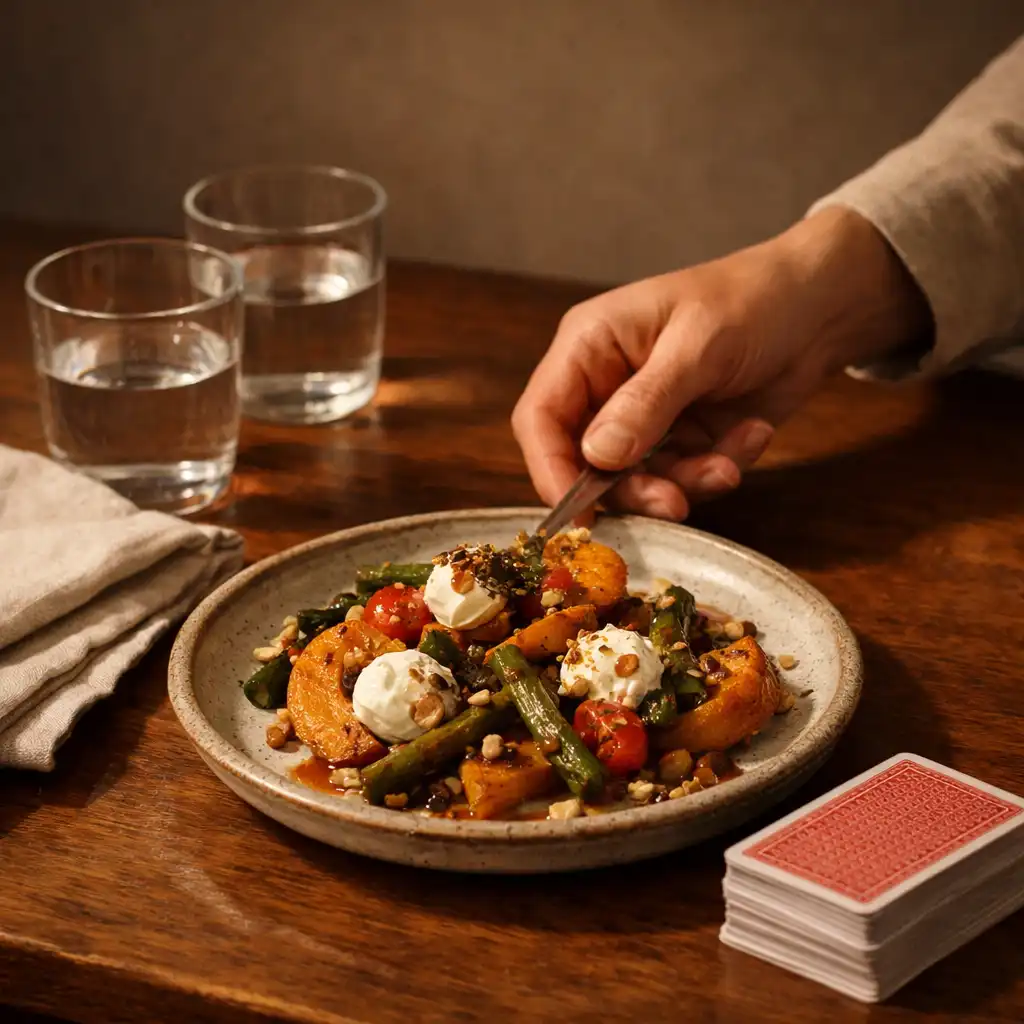
A seasonal shared dish beside linen, water glasses and cards on a timber table.
A seasonal shared dish can help keep the evening dining-led and conversational.
A little hosting guidance

The host’s quiet considerations

These are not fixed house rules. They are simple, hospitality-minded cues for making an offline lounge evening comfortable for newcomers and regular social groups alike.

01

Set an easy pace

Begin with conversation and make room for different levels of familiarity at the table. The most welcoming groups let everyone settle in before attention turns to cards. A relaxed pace keeps the poker table social, giving quieter guests time to join in and allowing the evening to feel shared rather than directed.

02

Let dinner lead

If the evening includes a card-lounge table, mention dining timing when you enquire. That small detail helps preserve the meal as part of the occasion. Rather than rushing from one part of the night to another, your group can allow food, conversation and the lounge setting to follow a rhythm that feels natural.

03

Make the brief clear

One person arranging for the group can keep things easy by sharing a preferred date, approximate group size and card-lounge interest in ordinary language. It is a recommendation, not a rigid process, but clear context makes a reservation response more useful and avoids the need for the group to make assumptions.

04

Keep it considered

Offline at the venue, a lounge atmosphere is shaped by the people in it. Be attentive to the shared space, leave room for conversation and keep the focus on one another’s company. That considered approach lets the table feel like a natural extension of a good dining evening.

Before you reserve

A few practical answers

Use these details to decide whether an in-person dinner and card-lounge occasion suits your group.

No. All card-lounge and poker-table experiences take place offline at the venue, with visitors attending in person. There is no online poker or remote participation. The guide is about the atmosphere of a real dining visit: shared tables, hospitality, food and time spent together in the lounge.

Reservation

Plan an evening at the venue

Bring the guide into the diary with a simple request that reflects the kind of evening you have in mind. Tell us about your dinner plans, approximate group size and whether you would like to discuss an in-person card-lounge table as part of the visit.

Every poker-table experience is offline and held at the venue. The details you share help frame a considered reservation response; they do not indicate instant confirmation or availability.

Tell us if you would like to discuss an in-person card-lounge table as part of your visit.

A reservation response can consider the details you provide when the team replies.