
Lighting sets the distance
Low, even light can make a table for two feel private without becoming formal. Brighter rooms often suit a daytime catch-up or shared meal where everyone wants to see the dishes and one another clearly.
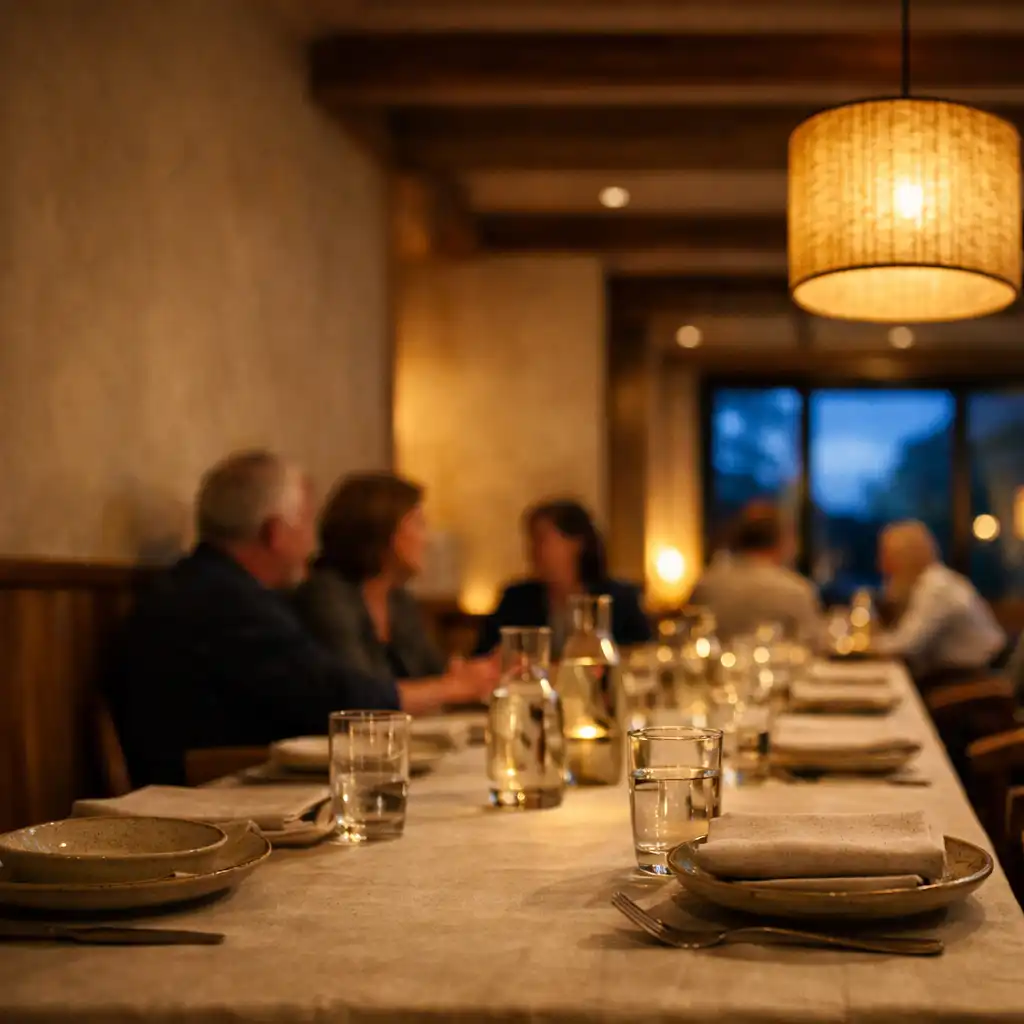
The part of a restaurant visit people remember often happens between the first welcome and the last conversation. It is in the light at the table, the room’s pace and the small sense that there is time to arrive.
Our curated Best 10 Compare guide looks at food, sound, service and setting as one connected dining experience. Use it to compare a quiet table, a generous shared meal or a slower late-evening visit without reducing atmosphere to a single style.
Read this guide for: solo or paired dining, celebrations and private groups seeking a room that supports the occasion rather than distracts from it.
Choose the atmosphere that suits youAtmosphere is easier to read when you notice a few practical signals before making a reservation. Rather than judging a room, observe how it might work for you: where tables sit, how sound travels, how the service moves and whether the menu encourages a quick meal or a longer conversation. These cues give first-time diners a useful way to ask better questions.
Low, even light can make a table for two feel private without becoming formal. Brighter rooms often suit a daytime catch-up or shared meal where everyone wants to see the dishes and one another clearly.
Notice table spacing, the route to the kitchen and whether the room opens around you. A tucked-away table supports close conversation; a more open position can feel naturally sociable for a group.
A busy room can carry a pleasing hum, while another may ask more of the conversation. Neither is better for every visit; ask whether earlier or later sittings tend to feel calmer or more animated.
For pre-theatre dining, a clear, attentive pace may matter most. For a lingering meal, gentle spacing between courses can leave room for the table to settle without feeling overlooked.
Seasonal ingredients often give people something immediate to share at the table. A focused menu can feel considered; shared courses can stretch the rhythm of the evening in an easy, food-led way.
A warm welcome is often practical rather than theatrical: a clear greeting, thoughtful timing and a host who understands why people have gathered. Those details help a room feel ready for its guests.
Start with the feeling you would like the evening to hold. All of the guide’s advice remains visible; this small prompt simply gives you a useful way to frame an enquiry.
Choose a tempo for a concise planning prompt. Preferences are useful to share with a venue, but they cannot always be guaranteed.
The best atmosphere is not one fixed aesthetic. It is a match between the room and the reason for gathering. A low-lit dinner for two may call for a little privacy and a menu that invites lingering. A table for shared plates may feel better where people can turn, talk and see the room around them.
For diners and private groups, the Best 10 approach begins with the occasion. Think about who is coming, how long you hope to stay and whether the meal should feel close, celebratory or gently open to the energy of the venue. That clarity makes a reservation note more useful from the start.
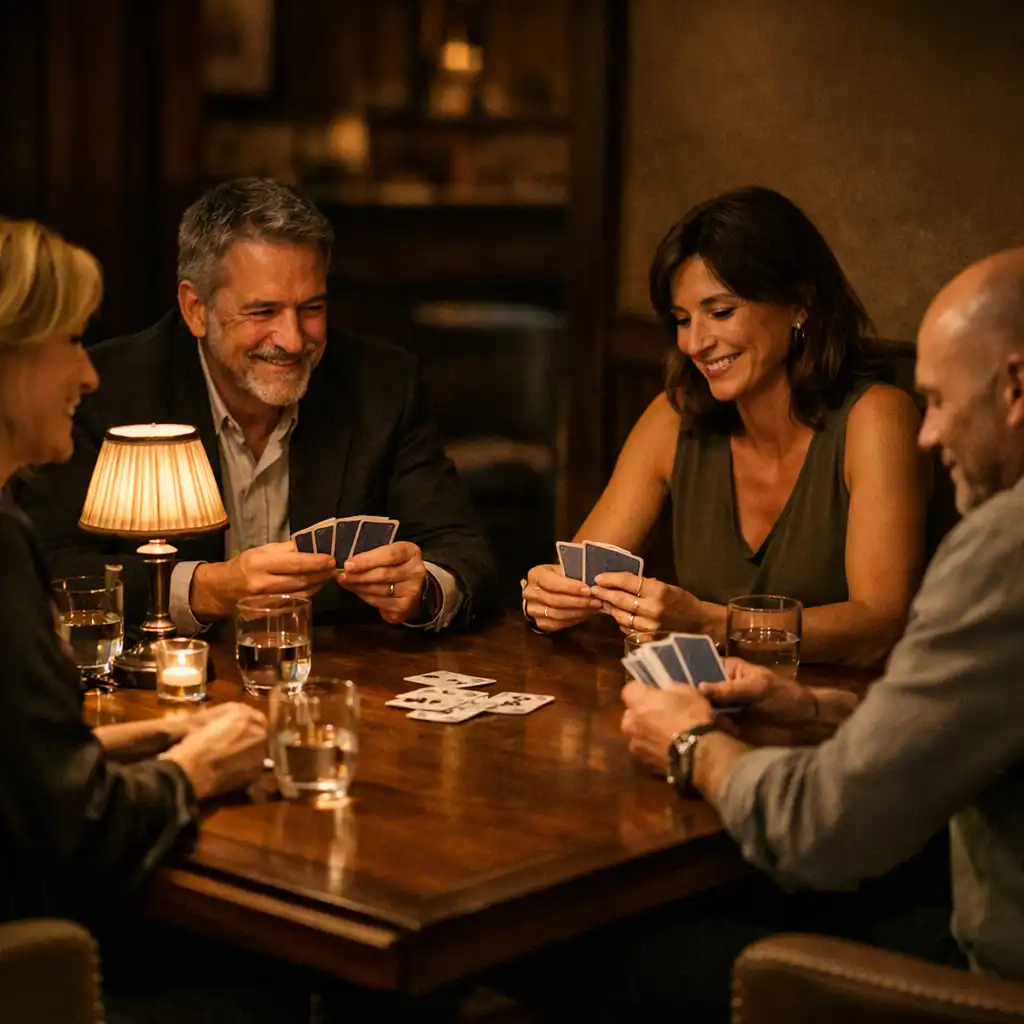
A card lounge can be a considered continuation of dinner: a tactile table, a shaded lamp and a little more time for conversation after the plates have been cleared. It is optional, social and hosted as part of an in-person venue evening, not a separate spectacle.
All poker experiences take place offline at the venue. Guests join the card lounge and poker tables in person, with considerate hosting and a pace that keeps the room comfortable for everyone. The focus remains on hospitality, shared company and the simple pleasure of extending an evening together.
Start with the guest list and the desired pace. These three situations offer a practical way to translate an atmosphere preference into a respectful, useful reservation note.
For an unhurried meal, look for a setting where conversation can stay close to the table and seasonal menu selections have room to unfold. An earlier or less busy sitting may be worth asking about if a quieter feel matters.
Atmosphere to seek: attentive service, comfortable spacing and food that encourages you to stay with the meal.
Useful reservation note: “We are hoping for a quieter table if possible, with time to enjoy the seasonal menu.”
Plan a meal for twoA small celebration often works best with a table that welcomes shared dishes and lets everyone participate in the conversation. Mention the occasion briefly so the venue understands the tone you are hoping to create without assuming special inclusions.
Atmosphere to seek: an open, connected setting with enough room for a warm, generous table rhythm.
Useful reservation note: “We are celebrating with a small group and would appreciate a table suited to shared dining.”
Plan a small celebrationFor private groups, let dining remain the centre of the evening and ask how the room’s energy may change over time. If an in-venue card lounge is relevant, remember that poker tables and card lounge experiences are strictly offline at the venue.
Atmosphere to seek: a seating arrangement and timing that allow the group to dine together before considering any lounge continuation.
Useful reservation note: “We are a private group and would like to ask about dining pace and in-person card lounge suitability.”
Plan a private group eveningBest 10 comparison begins with the people at the table and the pace you hope to keep, not simply the most dramatic room. Once the occasion is clear, the questions about light, menu rhythm and seating become much easier to ask.
Seasonal menus alter the feel of a room through ingredient timing, courses, aromas and the natural movement of service. A shorter menu can feel focused, particularly when you have a clear window for dinner. A progression of shared courses can invite a table to slow down, compare flavours and let conversation develop around what arrives next.
There is no universally best sitting. Venue rhythms vary, and the same room can feel different as service gathers momentum. The useful question is whether the meal’s pace matches your occasion, then checking the details when you make a reservation enquiry.
Ask whether an earlier sitting may offer a calmer lead-in for a meal where close conversation or seasonal menu selections are the focus.
For a livelier table, ask how the room tends to feel as more guests arrive and shared dishes begin moving through service.
If you hope to extend the evening, confirm kitchen and lounge timing directly with the venue rather than relying on assumptions.
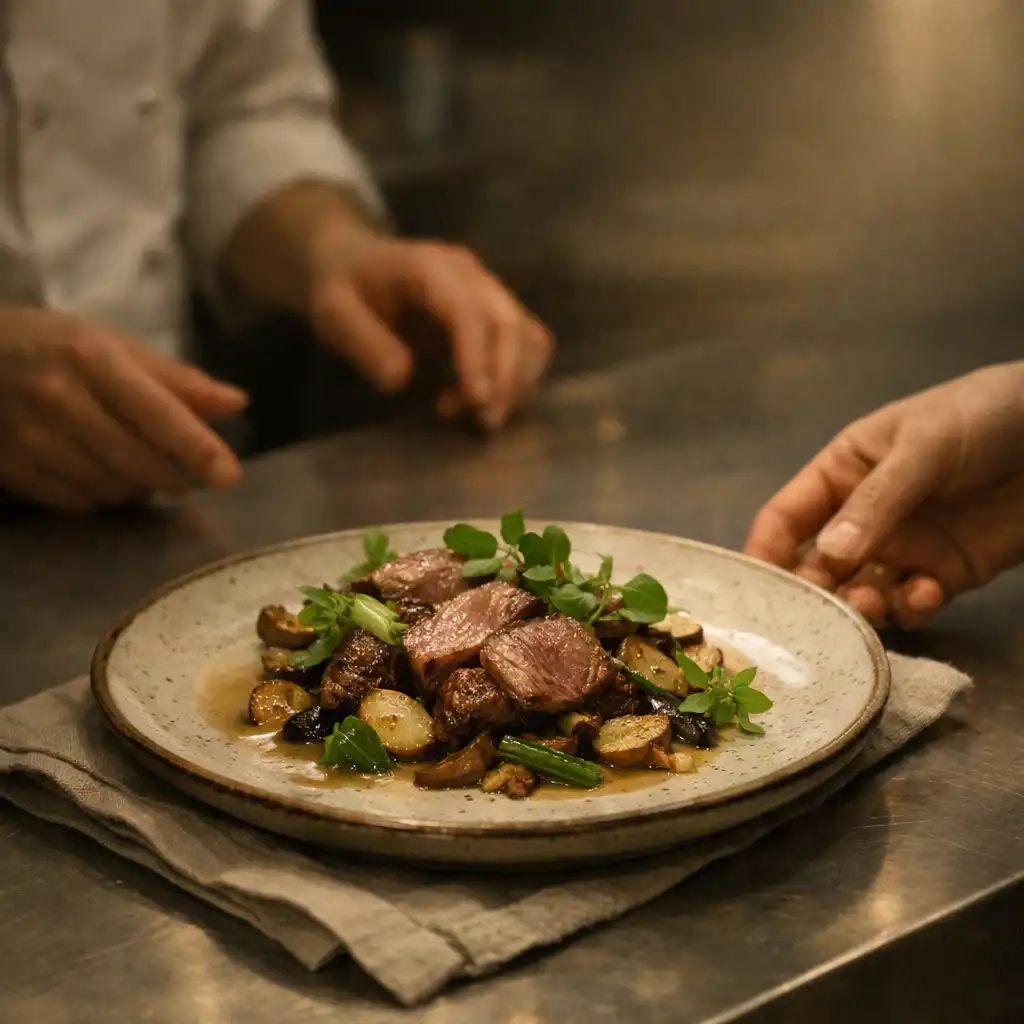
What makes a room memorable is often ease: a table that feels comfortable, attentiveness that does not interrupt and a food-led rhythm that leaves space for the intended conversation. Memorable need not mean loud, formal or elaborate. For dinner and private group occasions alike, it can simply mean that the setting supported the people who came together.
Use an enquiry to describe the dining atmosphere you are seeking, the occasion and any practical preferences that may help the venue understand your visit.
Make the note useful: include your preferred date, party size, occasion and any accessibility needs where relevant. Preferences are helpful context for the venue, but they are not guarantees.
Send a considered reservation enquiry once you know the kind of room and pace you are seeking. You can share preferences for dining, private groups and questions about the offline card lounge experience at the venue. Availability and a particular table are never assumed.
Prefer to enquire directly? Email [email protected] or call +61391234567. Include your date, party size, occasion and any accessibility needs that may assist.
Compare Best 10 Seasonal Menus for more food-led planning, or explore Private Group Dining when the guest list and room arrangement need closer attention.
Please confirm that you are 18 or over before exploring our in-venue card lounge experiences.